Retaining Walls & Concrete Masonry
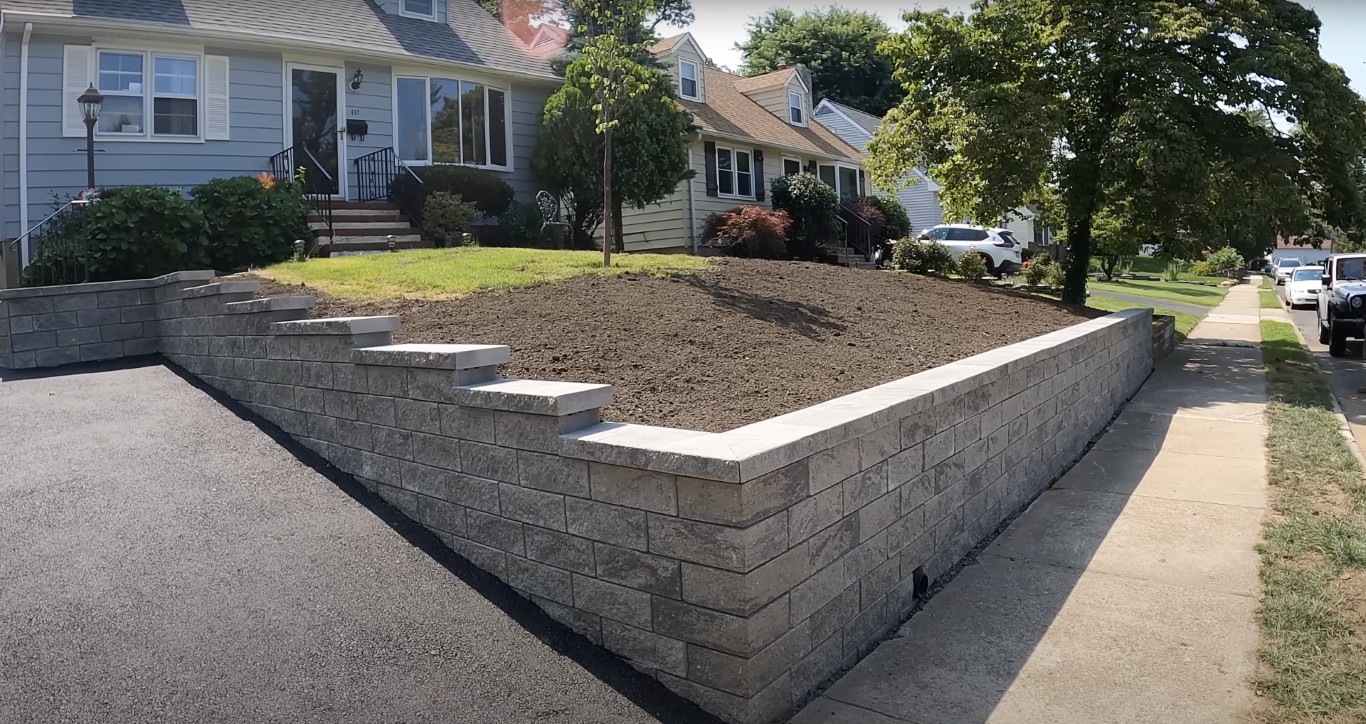
Control erosion, create usable space, and add visual interest to sloped properties with professionally built retaining walls that combine function and beauty.
Why Retaining Walls Matter
If your property has slopes or uneven terrain, a retaining wall solves practical problems while improving usability and appearance. Retaining walls hold back soil to prevent erosion, create level areas for patios or gardens, and protect structures from water damage. A well-designed wall can transform unusable sloped space into functional outdoor areas that add value to your property.
We build retaining walls throughout Park Ridge using concrete and masonry materials chosen for strength, durability, and appearance. Our installations start with proper engineering to ensure walls can handle soil pressure, water drainage, and frost heaving. We calculate loads, design adequate footings, and build in drainage systems that prevent water pressure from damaging the wall. These technical details separate walls that last decades from those that fail within a few years.
Retaining walls serve many purposes beyond just holding back soil. They create terraced garden beds on slopes. They form boundaries between properties at different elevations. They protect foundations from soil pressure. They allow you to build patios, driveways, or other flat surfaces where slopes previously made construction impossible. Whatever your specific need, we design and build walls that solve the problem correctly while complementing your property aesthetics.
Types of Retaining Walls We Build
Different situations call for different retaining wall approaches. We work with several materials and construction methods, each with specific advantages.
Poured Concrete Walls
Poured concrete retaining walls provide maximum strength and can handle tall wall heights and heavy loads. We excavate and install footings below the frost line, set forms, place reinforcement steel, and pour concrete to create solid walls that last indefinitely. These walls work well for major grade changes and can be finished smooth or with decorative textures. The surface can be painted, stained, or left natural depending on your preference.
Concrete Block Walls
Concrete block construction offers versatility and economy for many applications. We build walls using standard concrete blocks or decorative masonry units. The blocks are mortared together and reinforced with steel and concrete fill for strength. A well-built block retaining wall adapts well to curves and can incorporate steps, columns, or other design elements. They also allow for various finish options including stucco, stone veneer, or exposed block patterns.
Segmental Block Walls
Segmental retaining wall blocks are engineered units that interlock without mortar. These systems work well for residential applications and offer excellent drainage characteristics. Many styles and colors are available to match your property aesthetic. While some homeowners attempt DIY installation with these systems, proper base preparation, backfill, and drainage are critical for long-term performance. We install segmental walls correctly so they perform as designed.
Engineering and Installation Process
Building retaining walls requires more than just stacking materials. Proper engineering ensures your wall withstands soil pressure, water, and freeze-thaw cycles without failing.
- Site evaluation and soil analysis to understand conditions
- Wall design with appropriate height, thickness, and reinforcement
- Excavation and footing installation below frost depth
- Drainage system design including weep holes and backfill
- Wall construction using proper techniques and materials
- Backfill placement with drainage aggregate behind the wall
- Final grading and surface finishing
Drainage is absolutely critical for retaining wall longevity. Water pressure builds up behind walls and causes failure if not addressed properly. We install drainage pipes, use free-draining backfill material, and include weep holes that allow water to escape. These details prevent pressure buildup that can crack or topple walls. Proper drainage makes the difference between a wall that lasts 50 years and one that fails in five.
Tall retaining walls, typically those over four feet high, require engineering calculations and often building permits. We coordinate with engineers when needed and handle the permit process. Even shorter walls benefit from professional installation because the techniques and materials we use ensure reliable performance. Whether you need a small garden wall or a major structural retaining system, we bring the expertise to build it right. If you are also planning other concrete work like patios or walkways, retaining walls can integrate beautifully to create multi-level outdoor spaces.
Frequently Asked Questions
Need a Retaining Wall for Your Property?
Get expert advice and a detailed quote for your retaining wall project. We will evaluate your site, discuss options, and provide recommendations with no obligation.
(224) 985-9597